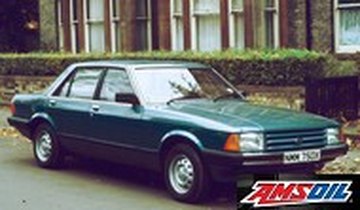
Lubrication Maintenance for the 1981 Ford GRANADA 3.3L
Maintaining a vehicle from the early 1980s requires a shift in perspective compared to modern automotive care. For owners of a 1981 Ford GRANADA equipped with the 3.3L engine, routine lubrication service is a cornerstone of long-term mechanical health. While many modern vehicles rely on highly automated systems and extended service intervals, older engines benefit significantly from attentive, hands-on monitoring of fluid conditions and component integrity.
Monitoring Fluid Integrity and Potential Leaks
One of the most effective ways to monitor the health of a 1981 Ford GRANADA is through regular visual inspections of the engine bay and undercarriage. Over time, various seals and gaskets may undergo changes in elasticity due to heat cycles and age. Rather than assuming a component has failed, owners should look for evidence of seepage or active leaks.
When performing routine checks, pay close attention to the following:
- Surface Seepage: Look for oily residue on the exterior of engine components or where different parts meet. This can indicate that a seal is beginning to lose its effectiveness.
- Puddle Identification: Regularly check the ground beneath the vehicle after it has been parked for an extended period. Identifying the location of a drip can help narrow down whether the source is related to the engine lubrication system or another fluid circuit.
- Fluid Appearance: If you are checking levels, observe the color and texture of the oil. While some discoloration is normal due to use, significant changes in consistency or the presence of unexpected debris should be investigated.
It is important to remember that a small amount of seepage does not always indicate an immediate crisis, but it does serve as a vital data point for prioritizing future maintenance tasks.
Observing Changes in Engine Operation
Beyond visual inspections, the way the engine behaves during operation can provide clues regarding its lubrication needs. Because symptoms can often be associated with multiple different mechanical causes, any change in performance should be treated as a prompt for further investigation rather than an immediate diagnosis.
An owner might notice changes such as unusual mechanical noises or variations in how the engine idles. While these can stem from various sources, they may also be related to the lubrication state of the engine. Similarly, if you observe any unexpected exhaust characteristics, such as smoke that appears differently than usual, it warrants a thorough inspection. Always approach these signs with the understanding that a single symptom rarely points to one specific failed part; instead, use them as indicators that the vehicle requires professional attention or a more detailed diagnostic check.
Prioritizing Maintenance Through Record Keeping
For an older vehicle like the 1981 Ford GRANADA, establishing a maintenance baseline is one of the most practical steps an owner can take. If you have recently acquired the vehicle and do not have access to its previous service history, your first priority should be to document its current state.
Creating a detailed log of all completed repairs, fluid changes, and observed inspections allows you to track patterns over time. This historical data is invaluable for distinguishing between routine maintenance and emerging issues. For example, knowing exactly when the oil was last changed or when a specific hose was replaced helps you make informed decisions about whether a component needs preventive replacement or if it can continue to operate safely. When records are incomplete, focus on addressing active signs of wear or overdue service first, gradually building a reliable history that supports long-term ownership.
Managing Aging Engine Components
As vehicles age, the materials used in their construction—such as rubber, plastic, and various elastomers—can change in physical properties. For the 3.3L engine in this Granada, this means being mindful of components that are subject to heat and vibration.
If equipped, inspect accessible drive belts for signs of deterioration such as cracking, glazing, or fraying. Similarly, check any visible hoses for stiffness or soft spots that might indicate they are nearing the end of their service life. While it is tempting to replace parts simply because they are old, a more effective strategy is to use the current condition of the component to guide your actions. A hose that remains flexible and shows no signs of bulging is often perfectly serviceable, whereas one showing visible cracks should be prioritized for replacement.
Effective Strategies for Long-Term Engine Care
Successful long-term ownership of a 1981 Ford GRANADA involves moving away from reactive repairs and toward proactive monitoring. This means distinguishing between necessary maintenance and unnecessary parts replacement. Instead of following generic age-based schedules, focus on the actual condition of the vehicle.
A useful approach includes:
- Reviewing Service History: Use existing records to identify which systems have been well-maintained and which may have been neglected.
- Monitoring Consumption: Keep a close eye on whether the engine requires more frequent top-offs of fluids than it did previously. Changes in consumption rates are often the first sign that a seal or gasket is aging.
- Addressing Small Issues Early: A minor seepage or a small belt crack is much easier and less expensive to manage than a significant failure resulting from neglect.
By focusing on these practical, condition-based observations, you can ensure the 3.3L engine remains a reliable part of your driving experience.
Practical Guidance for BUYING ENGINE OIL for your 1981 Ford GRANADA 3.3L
When it is time to replenish your engine's lubrication, the most important step is to ensure the product you select matches the specific requirements of your engine. For this 1981 Ford GRANADA 3.3L, do not rely on general automotive knowledge or assumptions based on the vehicle's age to choose a grade.
Instead, match the engine oil to the application-specific viscosity information already displayed on this webpage. Before making a purchase, carefully check the product labeling to verify that the oil meets the necessary standards and matches the viscosity listed in your application data. Depending on your specific needs and the current condition of your engine, you may encounter various options such as conventional oils, synthetic blends, or full synthetic formulations. Some high-mileage oil formulations also contain additives intended for use in aging engines, including seal-conditioning additives. Always prioritize the information provided in the technical specifications above this article to ensure you are using the correct lubricant for your specific 3.3L engine application.